







Search Results for: Beijing University of Chinese Medicine

Universities and time-honored brands rush into wellness milk tea: what are the transformation paths and challenges for the milk tea industry?
When milk tea cup sleeves at Fudan University Medical School are printed with drug instructions, when Beijing University of Chinese Medicine adds ginger, cinnamon, dried tangerine peel, red dates, and goji berries to milk tea, and when Shanghai's time-honored Chinese medicine brand Tong Han Chun Tang uses "medicine and food homology" as a selling point to launch ginseng and peach gum milk tea, the milk tea category is undergoing a transformation attempt from "junk food" to "health drink." University cafeterias, Chinese medicine shops, and time-honored brands are all crossing over into the market, trying to reshape the image of milk tea with the concept of health. At the same time, milk tea brands are also making changes on the ingredient side, with fresh fruit and fresh milk replacing non-dairy creamer as selling points. However, news about milk tea on trending searches is repeatedly linked to food safety issues, and the road to transformation is not smooth. [more…]

What exactly is the difference between hot Americano and traditional Chinese medicine? Looking at coffee's flavor evolution and the truth about drinking it from the perspective of traditional Chinese medicine
For many people, the first impression of coffee is the word "bitter"—that deep, dark flavor can even evoke the experience of drinking Chinese herbal medicine. But can coffee really be equated with Chinese herbal medicine? From the perspective of traditional Chinese medicine, coffee does indeed have certain medicinal value: it is pungent and warm in nature, and can refresh the mind, boost kidney yang, and promote diuresis. However, hot Americano and Chinese herbal medicine differ fundamentally in extraction method, purpose of consumption, and purchasing channels. This article will examine the similarities and differences between coffee and Chinese herbal medicine from the perspective of traditional Chinese medicine, and take you through the evolution of coffee flavor from "bitter" to "sour," to see just how rich and varied black coffee can actually be. [more…]

Fudan Medical College Case Card Milk Tea Goes Viral Online, Creative Packaging Inspiration Shares the Same Roots as Traditional Chinese Medicine-Style Design in the Coffee World
Recently, a "medical record card milk tea" launched by the School of Medicine at Fudan University has continued to spark heated discussion online. Its packaging design mimics prescription slips and medical record cards, printed with phrases such as "oral miracle cure" and "miraculous healing," and the straws even reproduce street signs from around the medical school, making it full of fun. As of now, the topic has received 47.589 million reads and 8,931 discussions on Weibo. In fact, similar "medical-style" creative ideas are not appearing for the first time. Previously, in the coffee sector, some cafes also introduced the concept of "oral coffee." While such novel designs can certainly grab attention quickly, for a beverage, product quality is the foundation for long-term success. [more…]

Beijing Museum Launches Real-Insect Specialty Coffee: Crushed Cockroach and Superworm in Your Drink, 45 Yuan a Cup to Break Down Prejudice
Can you imagine cockroach bits and barley worms floating on the surface of a cup of coffee? The "Bug Special" series of drinks recently launched by Beijing's All Things Museum has sparked heated discussion on social platforms. One product, which sprinkles processed dried insects directly onto the surface of the coffee, has prompted netizens to say they dare not try it due to its strong visual impact. The museum said that all insect ingredients are purchased from traditional Chinese medicine pharmacies and meet food safety standards. The core purpose of developing this 45-yuan drink is to break the public's stereotype of cockroaches. Staff revealed that current daily sales are about a dozen cups, with consumers mainly curious young people, while many parents with children find it hard to try because of psychological acceptance issues. [more…]

Xtep Applies to Register "Te Coffee" Trademark, Adding a New Player to the Sports Brand Cross-Over Coffee Track
Following Li-Ning's launch of Ning Coffee, another sporting goods company has begun to stake out the coffee market. According to Qichacha, Xtep (China) Co., Ltd. has applied to register multiple coffee-related trademarks, covering categories such as food and beverage services and accommodations, convenience foods, and advertising and sales. In recent years, from tea beverage brands to time-honored traditional Chinese medicine brands, and from education companies to tech giants, cross-industry forays into coffee have emerged one after another. Is Xtep's move this time a continuation of its approach of innovating the in-store experience, or is it intended to open up an entirely new business territory? This article will review Xtep's coffee layout moves and look back at typical cases in recent years of brands from various industries crossing into coffee. [more…]

Can Drinking Coffee Lower Gout Risk? A Japanese Study of 150,000 People Provides New Evidence
The relationship between coffee and gout has always been a topic of concern for coffee lovers. In the past, people worried that caffeine metabolism would raise uric acid levels, but in recent years, multiple studies have pointed to the opposite conclusion. A large-scale study jointly conducted by the National Defense Medical College of Japan and Osaka University, involving more than 150,000 Japanese people, analyzed the association between the number of days per week of coffee consumption and uric acid levels and the incidence of gout. The results showed that for each additional day per week of coffee consumption, the risk of developing gout could be reduced by about 25%. This finding provides new data support for coffee's role in preventing gout and has also prompted further thinking about coffee components and the mechanisms of gout. This article will review the core conclusions of the study, previous research evidence, and expert opinions to help readers scientifically understand the relationship between coffee and gout. [more…]
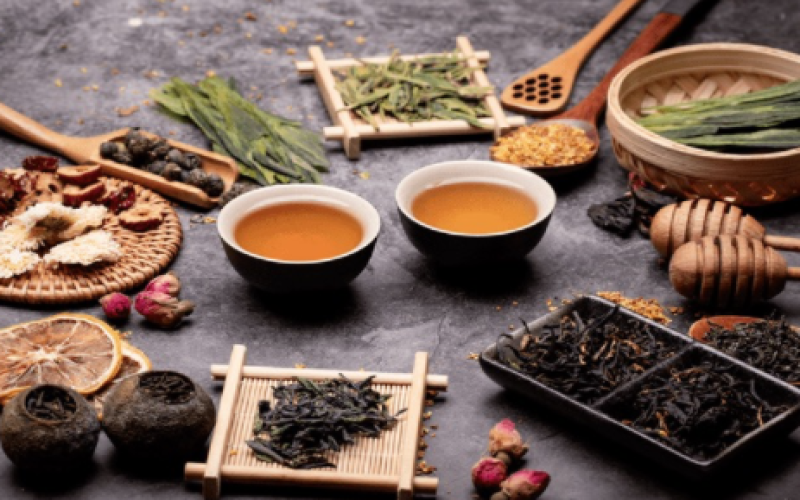
Young people spark a trend of herbal tea drinks, a new wellness lifestyle quietly emerges
In recent years, with the rise of the "national trend" culture, the "new Chinese-style" wellness concept has quickly gained popularity among young people. After saying goodbye to bad habits such as staying up late, smoking, and drinking, more and more young people are beginning to favor Chinese herbal medicinal diets and Chinese herbal teas. On social media, herbal milk tea frequently goes viral, and health teas dispensed by hospitals and herbal drinks launched by traditional Chinese medicine clinics through cross-sector collaborations are highly sought after. Data shows that over 70% of consumers are more willing to buy Chinese herbal teas and express satisfaction with their functional effects. Numerous pharmaceutical companies have entered the market, launching innovative products such as wellness coffee and herbal teas. However, experts also remind that although Chinese herbal teas are beneficial, they should be consumed in moderation, following the principle of "stopping once the illness is cured," to avoid counterproductive effects. [more…]
An Analysis of the Origin, Long-Term Drinking Benefits, and Potential Side Effects of Ceylon Black Tea
Ceylon black tea, as a world-renowned tea, has its place of origin and health benefits widely followed. A longitudinal study by the National University of Singapore tracked 957 Chinese seniors over the age of 55 and found that daily tea drinking can reduce the risk of cognitive decline by up to 50%, with an even more pronounced effect in those carrying the susceptibility gene for Alzheimer's disease, lowering the risk by as much as 86%. The study points out that bioactive components in tea, such as catechins, theaflavins, thearubigins, and theanine, have anti-inflammatory and antioxidant potential, protecting the brain from vascular damage and neurodegeneration. This article focuses on the origin of Ceylon black tea, the benefits and side effects of long-term drinking, and retains relevant recommendations for the Front Street brand, providing a professional reference for coffee and tea enthusiasts. [more…]

Can Sweetened Coffee Also Lower Mortality Risk? Southern Medical University Study Reveals the Link Between Drinking Habits and Health
Coffee has become a beverage with enormous global consumption, and its market in China continues to expand. More and more research has focused on coffee's effects on health, but previous studies have often overlooked the distinction between whether sugar is added or not. In 2022, a team from Southern Medical University published a paper in the Annals of Internal Medicine, using data from more than 170,000 people in the UK Biobank to analyze the relationship between unsweetened, sugar-sweetened, and artificially sweetened coffee and mortality risk. The results showed that moderate consumption of both unsweetened and sugar-sweetened coffee was associated with a lower mortality risk, but the amount of sugar added to sugar-sweetened coffee was far lower than that in commercially available fancy coffee drinks. This article interprets the core findings of that study and reminds consumers who like high-sugar coffee to pay attention to the difference. [more…]
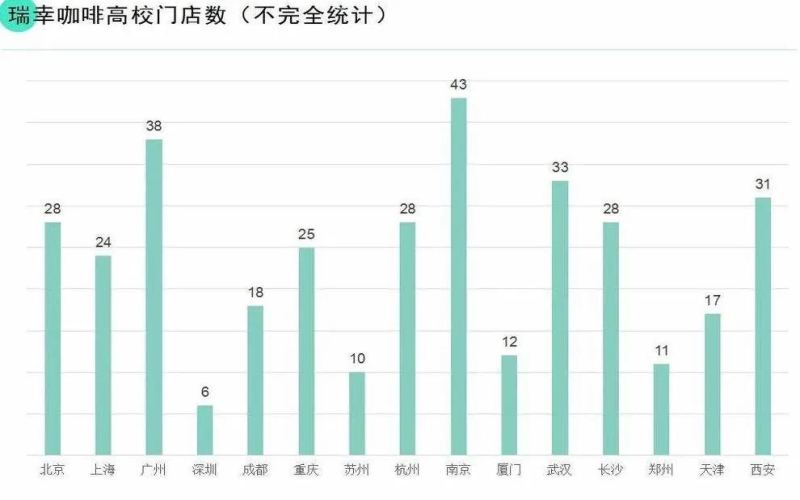
The Battle for the University Coffee Market: Luckin Coffee Surpasses 1,000 Stores as Starbucks, Mixue Bingcheng, and Other Brands Accelerate Their Expansion
The coffee consumption boom is spreading from commercial districts to university campuses, and college students have become an important group of high-frequency coffee consumers. Luckin Coffee has seized a first-mover advantage with more than a thousand campus stores, while brands such as Starbucks, Tims, Manner, M Stand, and NOWWA have also entered universities one after another, and Mixue Ice Cream & Tea's Lucky Cup is closely pursuing with about 260 campus stores. This article sorts out each brand's layout strategy, store data, and competitive situation on university campuses, and includes Front Street Coffee's specialty bean information, to help you understand the real landscape of the campus coffee track. [more…]

Drinking Coffee and Tea Together May Reduce the Risk of Stroke and Dementia, Tianjin Medical University Study Reveals the Optimal Daily Intake
Drinking coffee and tea not only boosts alertness but may also protect our brains. A new study from Tianjin Medical University, published in PLOS Medicine, based on long-term tracking data from more than 360,000 people in the UK Biobank, has for the first time revealed the link between coffee and tea intake and the risk of stroke and dementia. The study found that moderate daily consumption of coffee or tea, or a combination of both, can reduce the probability of stroke and dementia to the lowest level. However, excessive coffee consumption may instead increase the risk of dementia. So how much is best to drink each day? And how do coffee and tea exert their protective effects? This article will explain in detail the key findings of this study. [more…]
Analyzing Chlorogenic Acid in Coffee: Health Benefits, Content Differences, and Scientific Drinking Recommendations
Coffee is not only a refreshing beverage but also rich in various beneficial components. From the perspective of chlorogenic acid, this article systematically reviews the health value of coffee. As a key antioxidant, chlorogenic acid is widely present in green coffee beans and possesses multiple biological activities, including antibacterial, antiviral, and cardiovascular-protective effects. The article provides a detailed introduction to the chemical structure, plant sources, medical applications, and toxicity of chlorogenic acid, and compares changes in chlorogenic acid content across different coffee varieties and roast levels. Finally, based on extraction experimental data, it offers practical advice for daily coffee consumption. Whether you are a coffee enthusiast or a reader concerned with healthy eating, you can gain a scientific and objective understanding of coffee from it. [more…]

TCM's Advice to Ban Coffee Sparks Debate: Is Excessive Caffeine Intake Really That Terrifying?
A daily cup of coffee has become the standard for many office workers, and some even have more than one a day. But can drinking too much coffee place a burden on the body? Recently, a netizen shared an experience of being banned from coffee after visiting a traditional Chinese medicine doctor, who even said, "If you keep drinking, you'll die." This post sparked a great deal of discussion, with some carefully analyzing the situations in which coffee should not be consumed, and others questioning the TCM doctor's judgment. Should coffee be drunk or not, and how should it be consumed to be healthy? Let's take a look together at the truth behind this discussion. [more…]
Is Colombian Geisha Coffee an Arabica? Understanding the Flavor Differences Across Growing Regions in One Article
Geisha is an Arabica variety originating from the Gesha Mountains of Ethiopia. It rose to fame after being discovered at Hacienda La Esmeralda in Panama, once fetching a high price of nearly $290 per kilogram. The Herrera family of Finca La Esperanza in Colombia introduced Geisha from Panama in 2007. After years of trial cultivation, they finally won the championship at the Specialty Coffee Association of America's annual green coffee competition in 2011. This article begins with the variety's origin and spread, then combines the author's cupping session in Wangjing, Beijing with Colombian cupper Pei Daxing, documenting in detail the brewing and tasting process of three Geisha coffees, and summarizing their flavor characteristics: lively acidity, intense floral and fruity notes, and a balanced, smooth mouthfeel. At the same time, the article also outlines the flavor differences among Colombia's various coffee-producing regions, providing a practical tasting reference for coffee enthusiasts. [more…]

How appealing is a coffee elective course at university? A full analysis of classroom records and the course-grabbing frenzy
As finals approach and most students look forward to the holidays, students taking the elective coffee course at Heilongjiang University of Science and Technology hope the course never ends—because finishing it means never again getting to drink the free coffee made fresh in class. In a classroom video, the teacher explains and prepares Irish coffee at the podium, flames dancing between glass cups, drawing gasps from the students. This elective, covering coffee culture, tasting, and preparation, has become one of the hardest courses to get into on campus, with some saying that even spending all their credits might not guarantee a spot. Students from other universities openly envy it, and graduates lament missing out on such a great course back in their day. This article will take you through what this coveted university coffee course actually teaches and why it is so wildly popular. [more…]

Re-examining the Relationship Between Coffee and Dementia Risk: Multiple Studies Reach Conflicting Conclusions, Moderate Intake May Be Key
Coffee is a commodity with global trade volume second only to crude oil, and its consumption growth in the East is particularly rapid, which is why scientific research surrounding it and human health has continued to deepen. Interestingly, the conclusions of related studies are not consistent: some have found that drinking coffee can slow cognitive decline, while others suggest that excessive consumption may shrink brain volume and increase dementia risk. This article reviews several representative cohort studies from around 2021, involving findings from Edith Cowan University in Australia, Tianjin Medical University, and the University of South Australia, attempting to clarify the complex associations between coffee intake and Alzheimer's disease and stroke, and to explore the relationship between the number of cups consumed daily and the safe upper limit of caffeine. [more…]
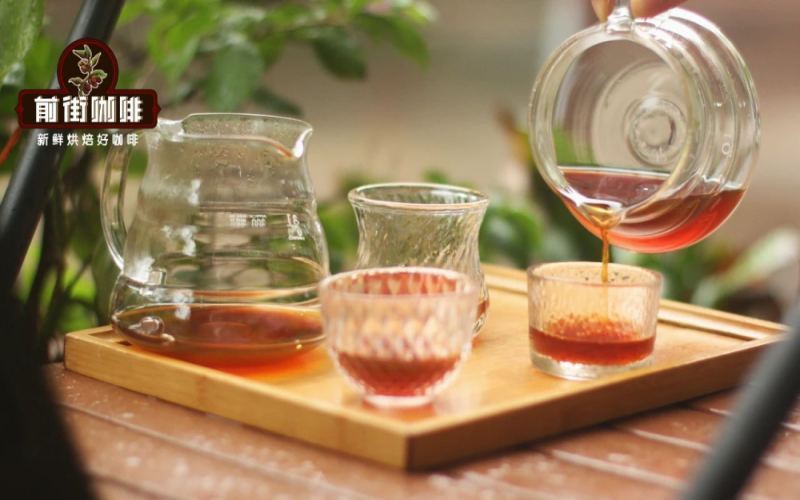
Is specialty coffee limited to light and medium roasts? The positioning and flavor analysis of dark roasts in the third wave
In the third wave of specialty coffee, light-to-medium roasts have almost become synonymous with the expression of "terroir," to the point that many enthusiasts frown the moment they see dark-roasted beans, even equating them with "Chinese herbal medicine taste" or "low-quality beans." But is dark roasting really incompatible with specialty coffee? What is the reason for its existence? From the SCA system to the bittersweet aesthetics of old Japanese-style kissaten, from differences in extraction methods to niacin and NMP on the health level, this article will dissect the rationality of dark roasting from a professional perspective and explain why a good-tasting dark-roasted coffee is often harder to find than a light roast. Front Street Coffee will also share the key principles of dark-roast brewing, guiding you to rediscover this underrated roasting style. [more…]
Is Decaf Coffee Really Healthier? Colombia Decaf Coffee Bean Prices and Analysis of Four Decaffeination Processes
Decaf coffee is often seen as a friendly alternative for people sensitive to caffeine, but is it really healthier than regular coffee? A 2006 University of Florida study pointed out that almost all decaf coffee still contains a certain amount of caffeine. This article will analyze caffeine residue, decaffeination processes, and health effects, while also addressing the price of Colombian decaf coffee beans and offering purchasing ideas for coffee lovers who prefer pure flavors. [more…]

The first Post Coffee day-and-night concept store lands in Fuzhou, as nighttime operations become a new trend for coffee brands.
The combination of coffee and alcohol is becoming a new trend in the food and beverage industry, with "C in the morning, A at night" evolving from a skincare concept into a consumption model of "coffee in the morning, alcohol at night." Post Coffee, a coffee brand under China Post, recently launched the country's first daytime coffee and nighttime alcohol concept store in Fuzhou, along with two Fuzhou-exclusive drinks. Since its first store opened in Xiamen in 2022, Post Coffee has expanded to ten stores across four cities. Can this new business format offer new ideas for coffee brands venturing into nighttime operations? At the same time, brands such as Starbucks, Seesaw, M Stand, Tims, and even Cotti Coffee have also been entering this track, and coffee brands' attempts to expand from coffee into alcohol and extend operating hours are accelerating. [more…]

A Traditional Chinese Medicine Hospital Crosses Over into Selling Coffee, Sparking Heated Debate: Whether Chinese Herbal Formula Drinks Can Be Covered by Medical Insurance Becomes the Focus
When the level of involution in the coffee industry has already become something people take for granted, the field of traditional Chinese medicine has unexpectedly joined this competition in a surprising way. The Guoyitang under Harbin Jiren Traditional Chinese Medicine Hospital recently launched drinks called "coffee," but they contain no caffeine at all and are instead made entirely from traditional Chinese medicine ingredients. Even more surprisingly, some of these drinks can be paid for with medical insurance cards. This phenomenon has sparked widespread discussion: where exactly is the boundary between coffee and traditional Chinese medicine? From Tongrentang's goji berry latte to hand-brewed herbal drinks from traditional Chinese medicine hospitals, the combination of "traditional Chinese medicine + coffee" is becoming a new traffic password for attracting young consumers. This article will take you through the story behind this crossover trend and explore whether coffee can really be classified as traditional Chinese medicine. [more…]